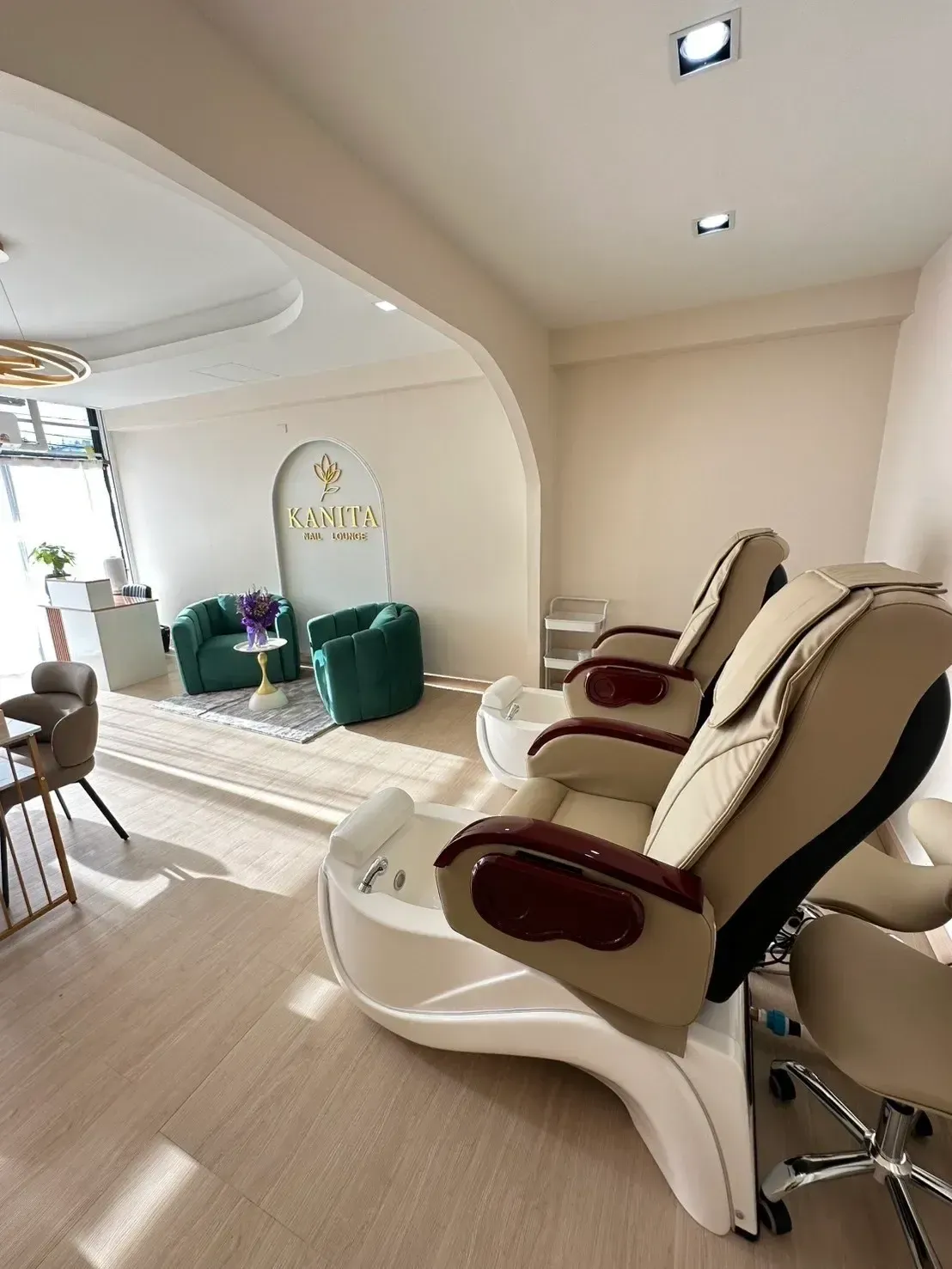
The challenge was operational, not creative
A working salon produces plenty of marketing material without trying: finished treatments, service questions, client feedback, new colours, availability patterns and reasons for people to return. The difficulty is turning that activity into a clear public story while the team is focused on appointments.
At Kanita Nail Lounge, the answer was not to chase a new idea every day. It was to organise the useful material already being created, decide what the salon needed to promote and connect content, website information, client proof and search activity around that priority.
What changed during the nine months
The important change was coordination. A treatment featured on social media could be supported by the right proof, explained on the website and connected to a bookable service. Existing material kept the campaign moving when the salon had less time to capture something new.
- Salon photos, treatment information and customer reviews were organised by purpose
- Monthly content was planned around services and genuine booking priorities
- Reviews were used where they could answer a client concern, not as decoration
- Website and booking routes were made easier to follow
- Promotions were tied to real salon needs rather than a generic content calendar
- Google Search Ads were managed and monitored around relevant local searches
The numbers, and what they actually tell us
The salon has more than 600 reviews across Fresha and Google, a rebooking rate above 50% and utilisation above 70%. Together, those figures show a business with substantial client proof, repeat behaviour and active capacity. They give the marketing something credible to work with.
The approved Google Ads reporting recorded 7,011 impressions and 939 clicks, producing a 13.39% click-through rate, shown on the website as 13.4%. That tells us the ads persuaded a meaningful share of searchers to visit the next step. It does not tell us, by itself, how many completed a booking or what every booking was worth.
That distinction matters. Strong reporting separates what a number proves from what we would like it to prove. Reviews show accumulated customer proof. Rebooking and utilisation describe salon behaviour and capacity. Click-through rate describes response to the ads. None should be presented as the work of one post or one channel.
What made the system useful
The plan started with the diary
The useful question was not ‘What should we post?’ It was ‘What does the salon need clients to notice or book next?’ That shifted the work from filling a feed to supporting a commercial priority.
Proof was matched to the decision
A large review total creates confidence, but treatment-specific feedback can resolve the final hesitation. Reviews about care, comfort, lasting results or a first visit were more useful when placed beside the service they supported.
Paid search and social content were not asked to do the same job
Social content helped the salon stay recognisable and gave clients reasons to trust the work. Search advertising addressed people already looking for relevant services. Both still depended on accurate service information and a destination that made the next step clear.
What this case study does not claim
It would be easy to place four strong figures beside a campaign and imply a neat line of cause and effect. Salon growth is rarely that tidy. Location, service quality, team performance, pricing, reputation, capacity and client experience all influence the result.
The useful lesson is narrower and more credible: when the marketing reflects the real salon, uses proof carefully and gives clients a coherent route to book, it becomes easier to maintain and easier to judge. That is what the nine-month period demonstrates.
For the practical pieces behind the case study, read about camera-free salon marketing, using reviews across the client journey and building a clearer website and booking route. You can also review How It Works or compare Packages & Pricing.
Key takeaways
- Kanita Nail Lounge used one monthly direction across content, proof, website routes and paid search.
- The approved salon figures are 600+ reviews, 50%+ rebooking and 70%+ utilisation.
- The approved Google Ads figures are 7,011 impressions, 939 clicks and a 13.4% CTR.
- The case study shows how the work was organised, not a guaranteed result for another salon.